Operations and supply chain in volatile industrial environments. Aerospace, Energy, MedTech. With result ownership, from the shop floor to a greenfield facility with a €150 million budget.
Results in volatile environments are not a matter of effort. They are a matter of steering.
Close enough to build it. Far enough to see what needs changing.
Ramp-ups start late and stabilize even later. Schedules drift. Expedites multiply.
Supplier yield escapes reach the line before anyone catches them. The people running it are not the problem.
More effort does not replace the logic that decides what to prioritize when everything is urgent. The gap is structural. Pressure does not close structural gaps.
What helps is a steering logic that holds. Three examples.
Engine overhaul in running operations. The operation did not stop, the clock was running, the pressure was real. I restructured the value stream, rebuilt the shift handover from improvisation to structured information flow, and made progress visible for everyone.
Two production divisions restructured at the same time, one built from scratch, one in live operations. I owned both from first analysis to shopfloor realization.
Cardiac surgery systems, precision production. There is no margin for error, no margin for interruption. I redesigned the entire value stream and built KANBAN-controlled production anyway, without putting supply at risk for a single day.
Close enough to build it. Far enough to see what needs changing.
I build what holds after I leave. Factories, systems, teams.
End-to-end, cross-functional, in environments where mistakes have consequences and complexity is real. I go in when conditions are difficult, set a clear target, and deliver.
Not as the architect who draws the plans, but as the builder who stays until it works and is measured by the results.
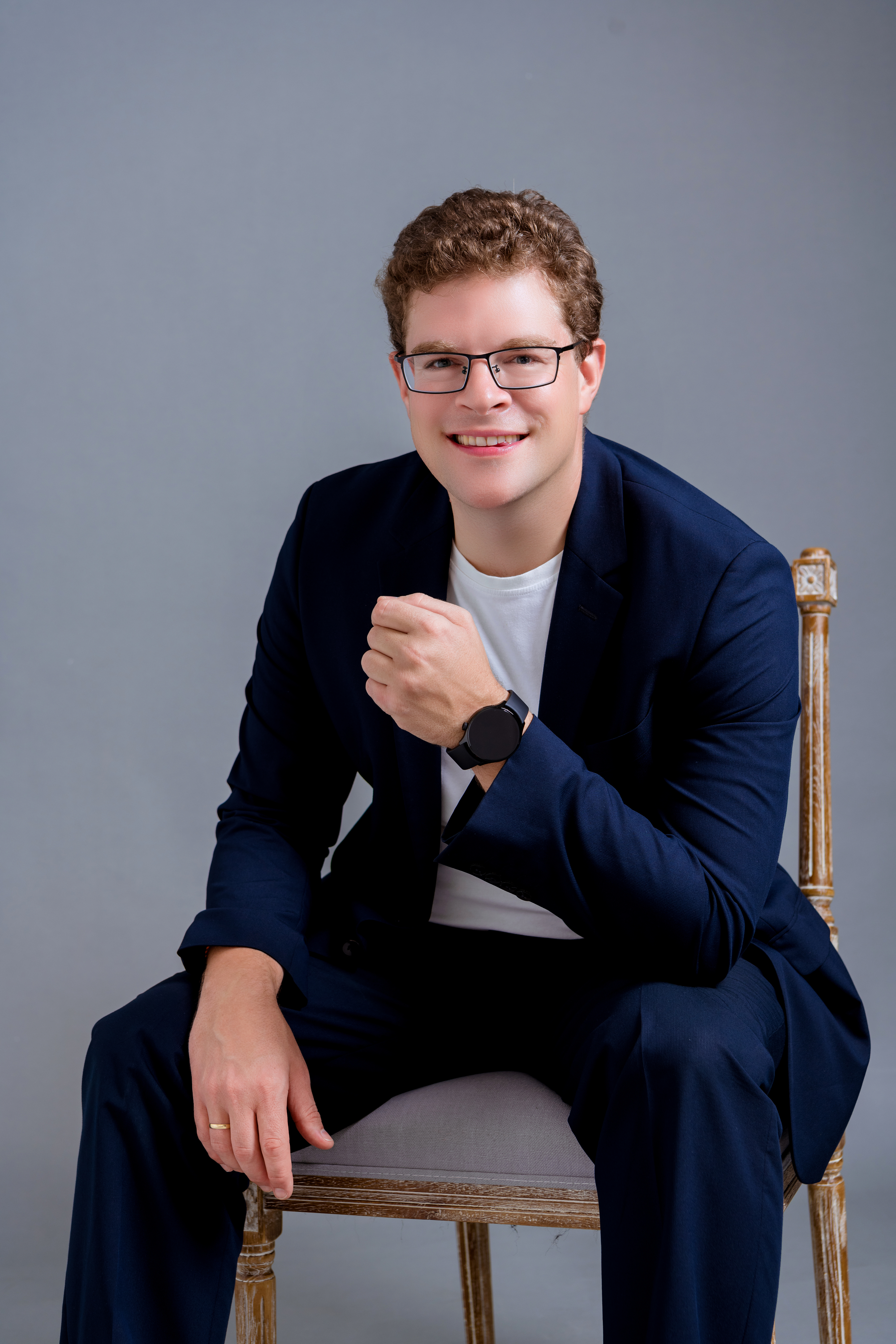
I started at Fraunhofer, learning how to read factories. Value streams, material flows, the hidden logic beneath the surface. Start with what is really happening, not what the org chart suggests.
Then precision manufacturing, then aerospace MRO. Most recently, a greenfield facility in Asia: 30,000 square meters, 850 people, €150 million budget, two corporate governance structures running in parallel. Complex by design. That is where I perform best.
Complexity was never the problem for me. It was the reason.
I am most interested in environments where complexity is structural and where the difference between steering and reacting shows up in the numbers.
If something on these pages resonated, I would be glad to hear from you.
No agenda required.